
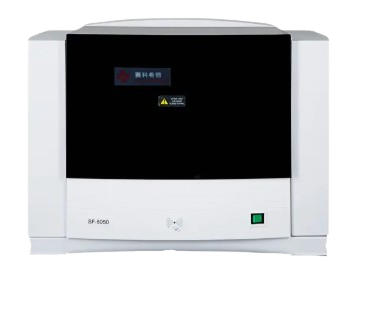
Succeeder SF-8050 Fully Automated Coagulation Analyzer
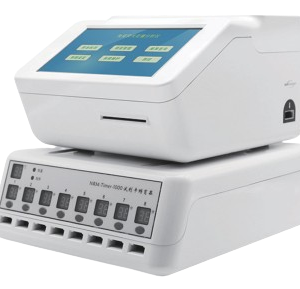
The Succeeder SF-8050 is a fully automated coagulation analyzer with 8-channel parallel testing for up to 360 PT tests/hour using optical and mechanical detection. Engineered for high-volume labs, it measures PT, APTT, TT, FIB, D-Dimer, and 20+ parameters via viscosity and turbidity methods, features auto-sampling, reagent incubation, 10.4-inch touchscreen, built-in printer, and LIS integration for streamlined, accurate clotting analysis in plasma samples.

Description
Coagulation Parameters: Advanced Hemostasis Profiling The Succeeder SF-8050 provides comprehensive evaluation of clotting pathways, including prothrombin time (PT), activated partial thromboplastin time (APTT), thrombin time (TT), fibrinogen (FIB), D-Dimer (D-D), and specialized assays like anti-thrombin III (AT-III), protein C/S, lupus anticoagulant (LA), and factors II, V, VII, VIII, IX, X, XI, XII. This extensive panel facilitates precise monitoring of anticoagulation therapy, diagnosis of DIC, or thrombophilia screening, supporting optimized treatment in cardiology, oncology, and transfusion medicine with minimal false negatives.
Parameters Measured: Analyzes 20+ parameters with broad linearity (e.g., PT 8–120 s, APTT 20–150 s, FIB 0.2–12 g/L, D-D 0.1–10 µg/mL, TT 10–100 s) using dual detection modes—optical for chromogenic/turbidimetric and mechanical for viscosity—for interference-resistant results in hemolyzed or lipemic samples. Generates real-time reaction curves and QC Levey-Jennings plots, with automated flags for prolonged/shortened times or low fibrinogen, ensuring <2% CV and compliance with CLSI/IFCC standards for high-stakes testing.
Sample Requirements: Automatically aspirates 20–50 µL of citrated plasma from 200-position sample racks (primary/secondary tubes, barcode-enabled), supporting venous draws with auto-dilution (1:10–1:100) for extended ranges. Handles up to 500 µL dead volume per tube, with no carryover (<0.5%) via probe washing, ideal for batch processing in centralized labs or serial assays in therapeutic monitoring.
Throughput: Delivers up to 360 PT tests per hour (or 240 APTT) across 8 parallel channels, designed for large facilities managing 2,000–5,000 tests daily. Random access with continuous loading and intelligent scheduling achieves <2-minute TAT for STAT panels, enabling 24/7 operations in trauma centers or reference labs without bottlenecks.
Technology: Combines optical turbidity detection for chromogenic endpoints and inductive mechanical viscosity sensing for clot waveform analysis, with dual magnetic circuits per channel for robust endpoint capture. Features 37°C incubation with 12 reagent positions, auto-stirring, and AI-assisted curve fitting to detect weak clots or inhibitors; self-diagnostics and daily startup QC align with ISO 15189 for uninterrupted reliability.
User Interface and Storage: Boasts a 10.4-inch color touchscreen with graphical dashboards, real-time monitoring, and multilingual support (up to 8 languages, including English, Spanish, and Chinese) for effortless navigation. Stores 10,000+ results with full datasets—parameters, waveforms, patient info—and 1,000 calibration curves; built-in thermal printer for automated reports with multi-templates, plus USB/LAN/RS232 for HL7 LIS/HIS integration and CSV/PDF exports for audits.
Reagent System: Open system with 12 cooled (4–8°C) incubation positions and 2 diluent slots for liquid reagents, compatible with Succeeder’s low-cost kits (e.g., D-Dimer chromogenic). Auto-calibration (multi-point) and two-level QC extend stability to 48 hours, with low consumption (10–30 µL/test) reducing costs by 50% and on-board alerts for inventory management.
Dimensions and Portability: Ergonomic floor-standing design at 650 × 650 × 1,000 mm (W × D × H) weighs 80 kg, with optional casters for repositioning in core labs. Low power (≤500 VA) and quiet operation (<60 dB) fit 15–30°C ambient with 30–85% humidity, ensuring stable performance in high-demand environments.
- Throughput: Up to 360 PT tests/hour
- Detection Channel: 8 parallel channels (optical + mechanical).
- Detection Principle: Optical turbidity + inductive viscosity with dual magnetic circuit.
- Detection Items: PT, APTT, TT, FIB, D-Dimer, AT-III, PC/PS, LA, Factors II/V/VII/VIII/IX/X/XI/XII; alarms for abnormal waveforms.
- Built-in thermal printer, supports external printers. Multi-builtin print templates available.
- 10,000 sample results, including parameters, reaction curves, and patient information.
- Sample modes: Citrated plasma; auto-sampling with barcode racks and dilution.